Behavior
Building a Bird-Friendly Garden: Plants That Attract Songbirds
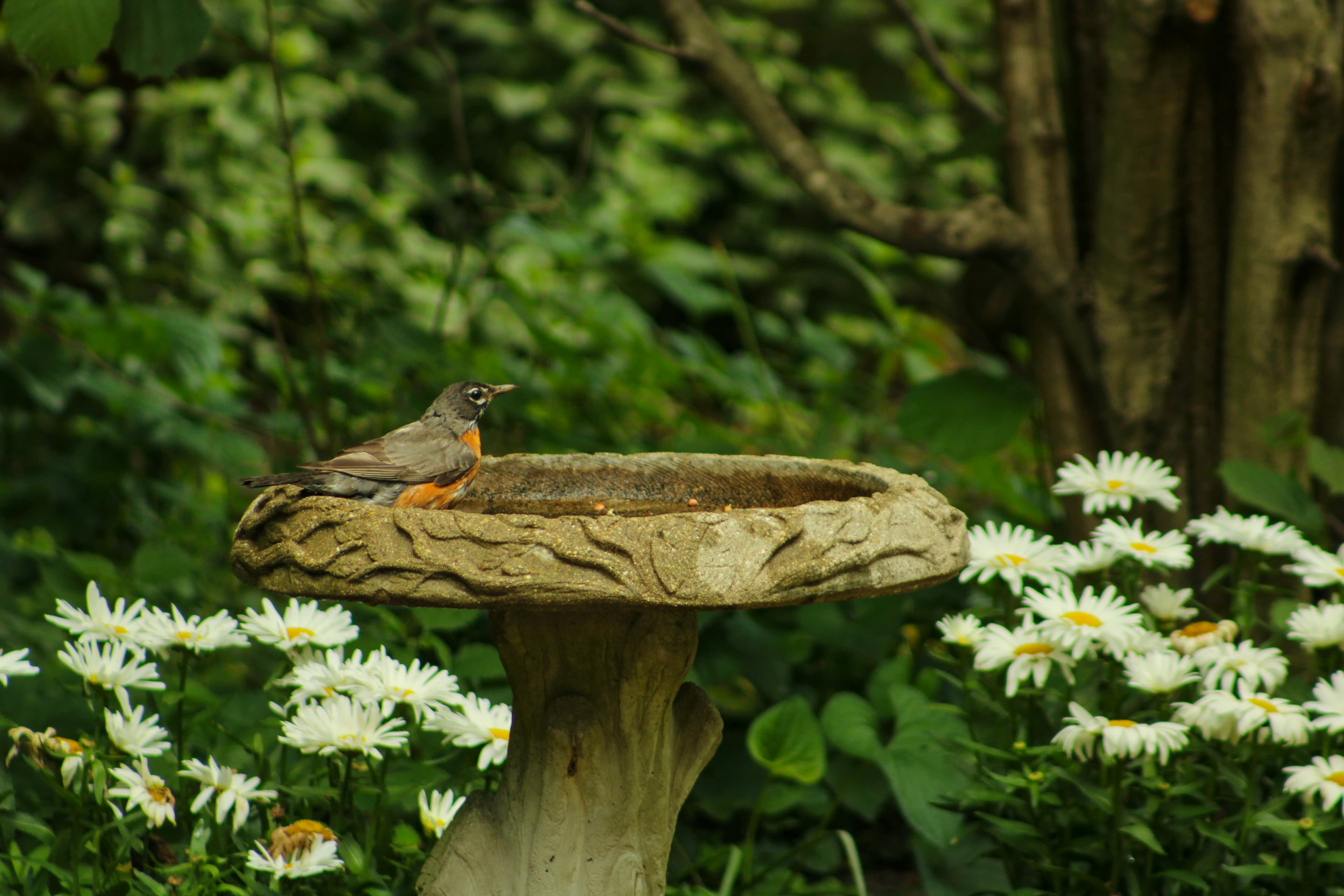
Transform your outdoor space into a bird paradise. Discover which native plants will bring Chickadees, House Finches, and more to your yard.
Read Article →
Spring is here, birdhouses are going up, and if you've entered our BirdBnB Contest, you might already be wondering: will anyone actually move in?
Good news: birds need housing more than ever. But what might surprise you is just how much you get back from the deal.
Cavity-nesting birds like Eastern Bluebirds, House Wrens, Black-capped Chickadees, White-breasted Nuthatches, and Tree Swallows depend on holes in dead or dying trees to raise their young. The problem? We're really good at removing dead trees. Between development, landscaping, and tidying up our yards, we've quietly shrunk the real estate market for about 85 species in North America alone.
A well-placed birdhouse doesn't just help. For some species, it's the difference between breeding successfully and not breeding at all. Eastern Bluebird populations cratered through the mid-20th century, largely due to nest-site loss, then rebounded dramatically thanks to thousands of volunteer-maintained nest box trails across North America. That's not just a feel-good story. That's a conservation win measured in millions of birds.
Here's where it gets fun. Putting up a birdhouse isn't charity. It's the start of a symbiotic relationship that's been playing out between humans and birds for centuries.
A single clutch of chickadees (six to eight nestlings) will consume somewhere around 6,000 to 9,000 caterpillars before they fledge, according to field studies of nesting pairs in North America. Both parents hunt constantly, making round trips to the nest box every few minutes with beakfuls of insects. Bluebirds are ground-hunting machines that devour beetles, crickets, and grasshoppers all season long.
If you garden, this matters. A nesting pair in your yard is a tiny, self-sustaining pest management crew that works dawn to dusk and never sends an invoice.
This one's sneakier. Insectivorous birds don't just eat pests. They help shape which insects thrive in your yard. By keeping caterpillar and beetle populations in check, they indirectly support pollinators like native bees and butterflies that might otherwise get outcompeted or overwhelmed. It's not a straight line, but it's a real one. Healthier insect balance means less pressure on the pollinators your garden depends on.
Birds that visit your yard for housing often stick around for food, and they return the favor by dispersing seeds from native plants. Bluebirds eat fruit in fall and winter. Wrens forage through leaf litter, turning and aerating soil as they go. Over time, a yard with active bird tenants becomes a richer, more connected little ecosystem. Your birdhouse is the anchor.
Some of the coolest dynamics around birdhouses aren't between birds and humans. They're between birds and other birds.
House Wrens are famous for filling every available cavity with dummy nests: sticks crammed into boxes they have no intention of actually using. Frustrating if you're rooting for bluebirds, but it's a territorial strategy that shapes the entire nesting community in your yard. Understanding it helps you place boxes smarter. More spacing, more open habitat for bluebirds, brush piles nearby for wrens.
Bluebird trail managers figured out decades ago that pairing boxes works beautifully. Put one up for bluebirds and another for Tree Swallows about 15 feet away. The swallows are territorial enough to keep House Sparrows at bay but leave bluebirds alone. It's a designed mutualism, engineered by birders who paid close attention.
In the wild, nuthatches and small owls depend on old woodpecker cavities. A Downy Woodpecker excavates, uses the hole for a season, and moves on, leaving behind a home for the next tenant. Your birdhouse mimics this chain without needing to wait for a woodpecker to do the construction work.
You don't need acreage. You don't need a perfect setup. A single well-placed box on a pole with a predator baffle, facing the right direction, at the right height? That's enough to change the trajectory of a nesting pair's entire season.
And if you're paying attention, really listening, you'll hear the whole story unfold. The territorial singing in early spring. The quiet incubation weeks. The explosion of begging calls when the eggs hatch. The sudden silence when they fledge.
That's not background noise. That's your yard, alive and participating.
Cavity-nesting species like Eastern Bluebirds, House Wrens, Black-capped Chickadees, White-breasted Nuthatches, and Tree Swallows are the most common birdhouse users. About 85 species in North America nest in cavities, though not all will use a man-made box.
Mount it on a pole 5–6 feet high, facing open space and away from heavy foot traffic. Add a predator baffle below the box. For bluebirds, face the entrance toward an open field. For wrens, place it near brush or shrubs. Avoid hanging birdhouses from trees, as this makes them easier for predators to reach.
Yes. Eastern Bluebird populations cratered in the mid-20th century due to nest-site loss, then rebounded dramatically thanks to thousands of volunteer-maintained nest box trails across North America. For cavity-nesting species that have lost natural habitat, a well-placed birdhouse can be the difference between breeding successfully and not breeding at all.
A single clutch of chickadees (six to eight nestlings) will consume 6,000–9,000 caterpillars before they fledge. Bluebirds eat beetles, crickets, and grasshoppers. Wrens forage through leaf litter for insects. A nesting pair in your yard is a self-sustaining pest management crew that works dawn to dusk.
Bluebird trail managers discovered that pairing boxes works well. Place one box for bluebirds and another for Tree Swallows about 15 feet away. The swallows are territorial enough to keep House Sparrows at bay but leave bluebirds alone. Also avoid placing boxes near buildings, which House Sparrows prefer.
Want to learn the songs of the birds that might move in? That's kind of our whole thing.
Download Wings & Whistles →Transform your outdoor space into a bird paradise. Discover which native plants will bring Chickadees, House Finches, and more to your yard.
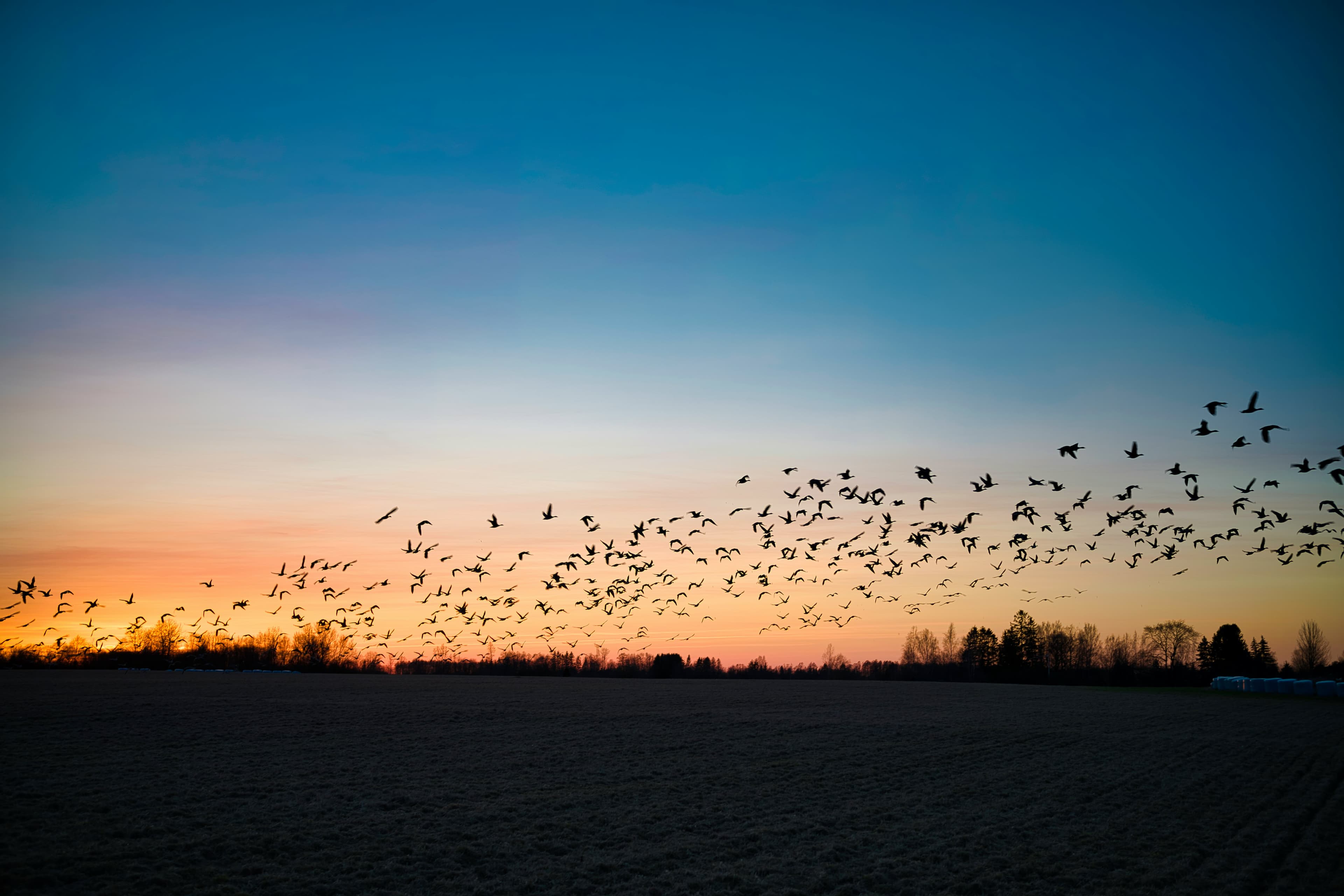
Your yard sounds different now. New voices appear overnight as warblers, thrushes, and sparrows arrive. Here's the full arc from March to May.