Learn bird songs by ear.
A gentle way to learn bird calls by ear. Walk a curated trail of habitats, learn one voice at a time, then identify them in the wild.
Start the Trail
available on

500+
Species
30K+
Species Identified
50+
Lessons
3
Narrators
It starts in your backyard, with the birds you already half-know: the cardinal, the robin, the jay. Learn one habitat by ear, then follow the trail out to the midnight woods.
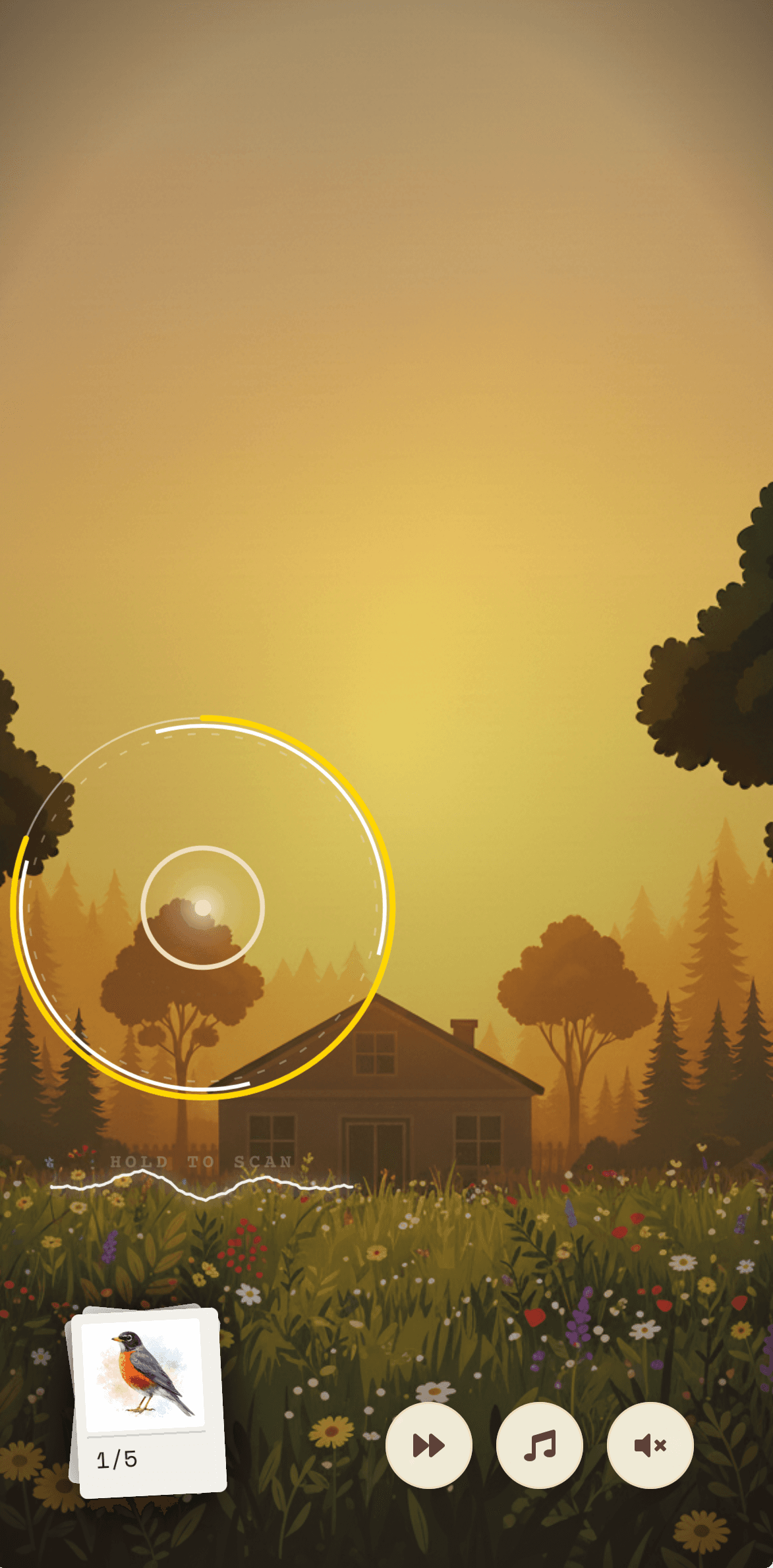
You don't get a flashcard. You get a place: the robin's meadow at dusk, the woodcock's twilight clearing, set at the hour the bird actually sings. A narrator walks you through. The world quiets down a little.
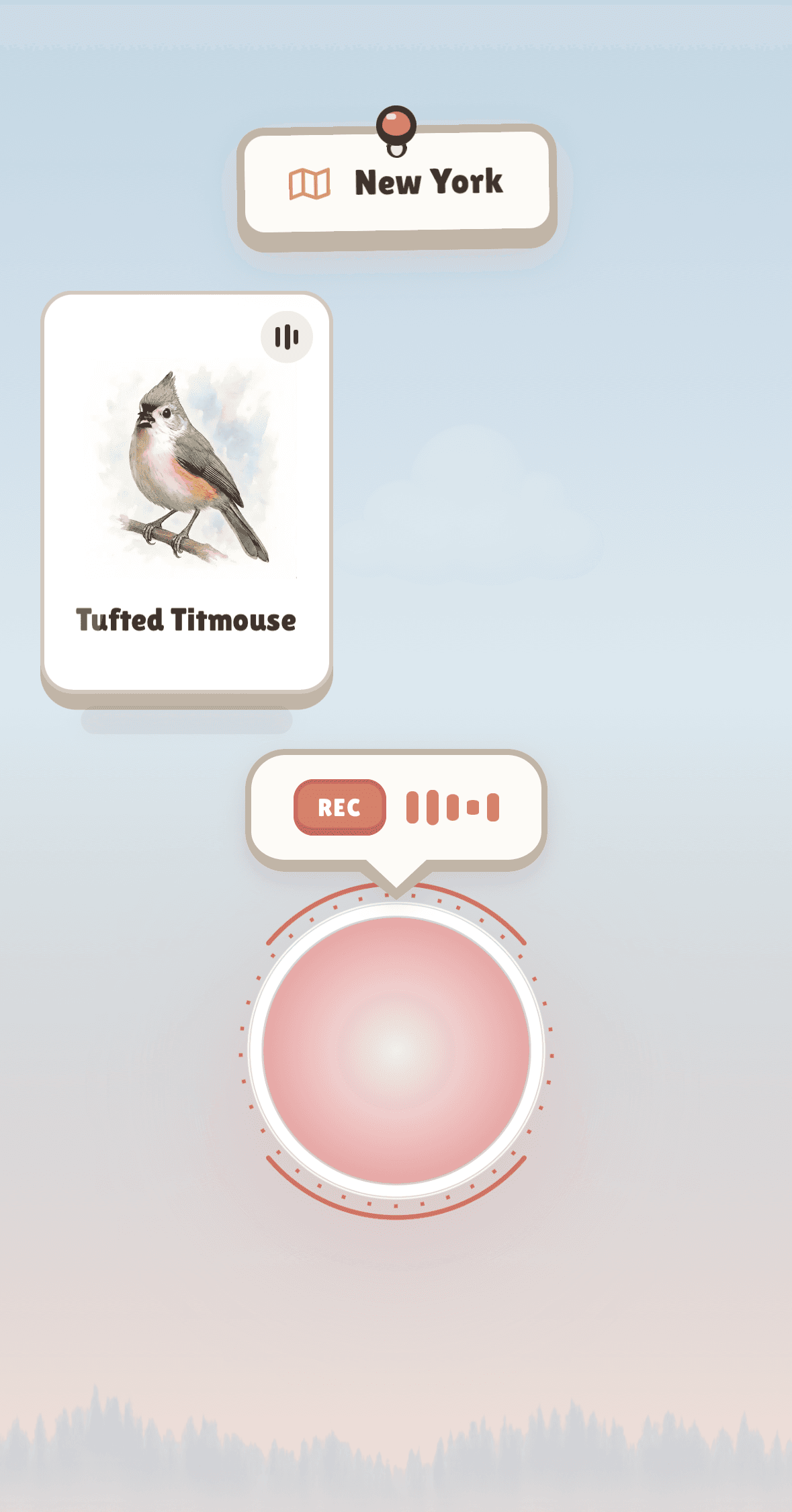
Every lesson sends you on a quest: head to the right habitat and record the birds you just studied. Hit record on a real one and Wings & Whistles confirms the catch, then adds it to your collection. You learned this one. Now you've found it in the wild.
Voices that stay with you. The cardinal you couldn't name three weeks ago? Now you hear it before you see it.
Flight Crew lets campers join private teams, listen for real birds, and compete in a live outdoor challenge. No camper names, no camper accounts, no public profiles.
Discover expert tips, bird guides, and fascinating stories from the world of birding in our blog.
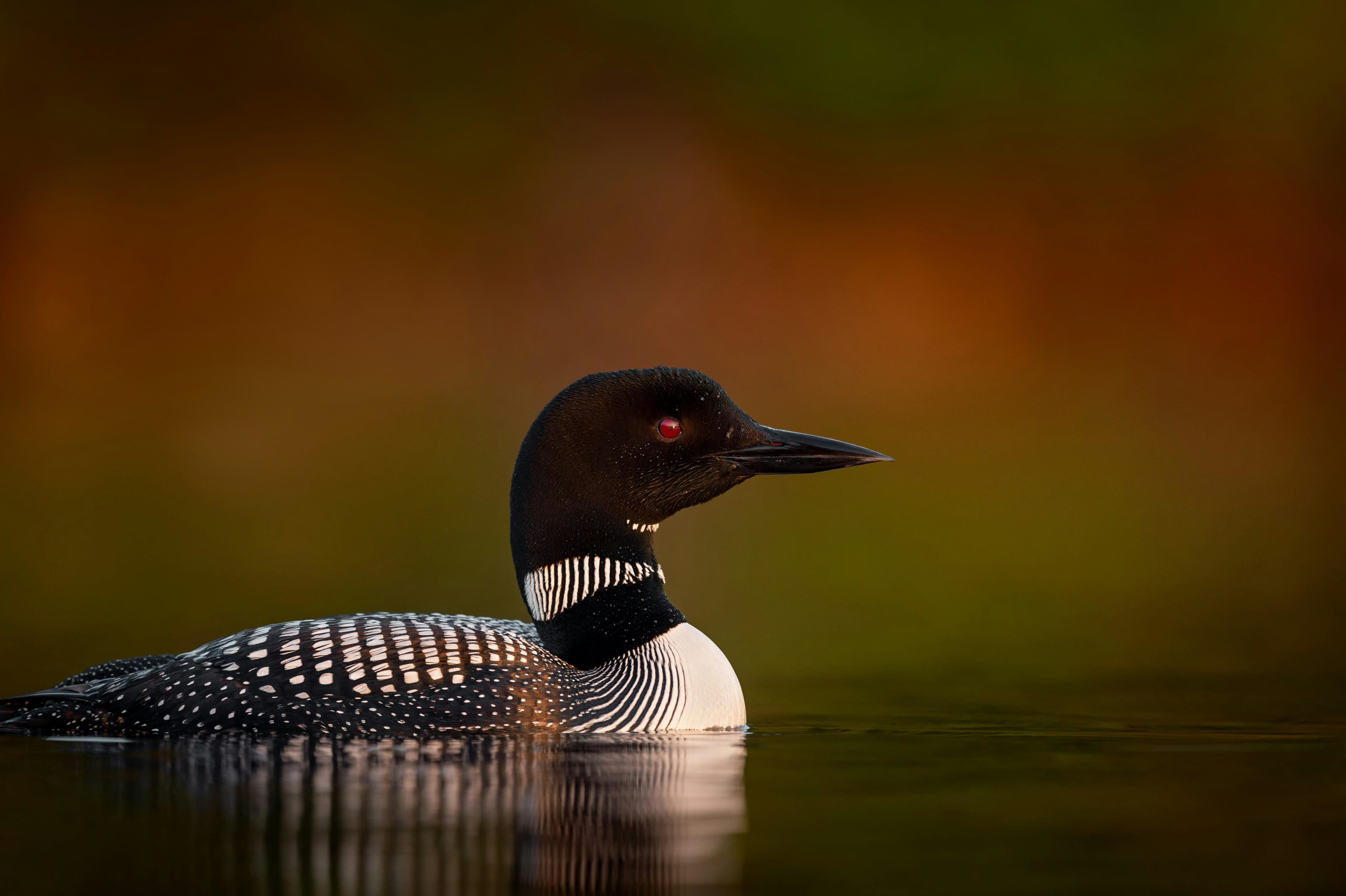
Some birds do not sing so much as malfunction: a foghorn in the marsh, a laugh across the lake, a rubber duck in a pine tree. Here are 11 of the strangest calls in North America, each with real audio you can learn by ear.
A restless kid on a trail does not need a longer hike. They need a score. Here are nine bird watching games for kids that turn a plain walk into a game, most of them with no gear, no screens, and a winner every time.
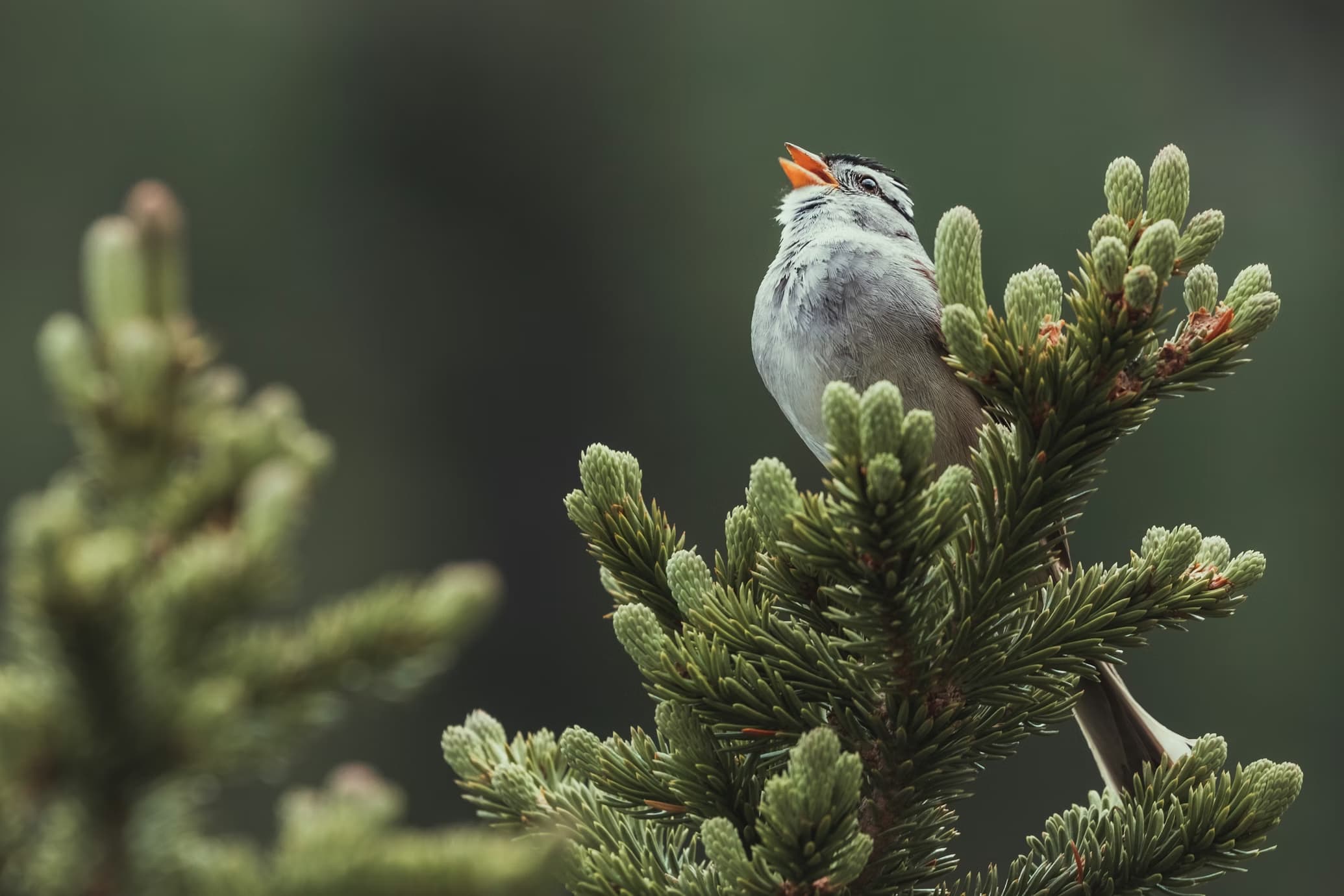
Learning bird songs by ear sounds intimidating until you realize you already know a few — that robin in your yard, the chickadee at the feeder. Here is the gentle on-ramp: seven birds to learn first, a memory trick that works even if you cannot carry a tune, and a ten-minute-a-day rhythm that turns spring noise into named neighbors.
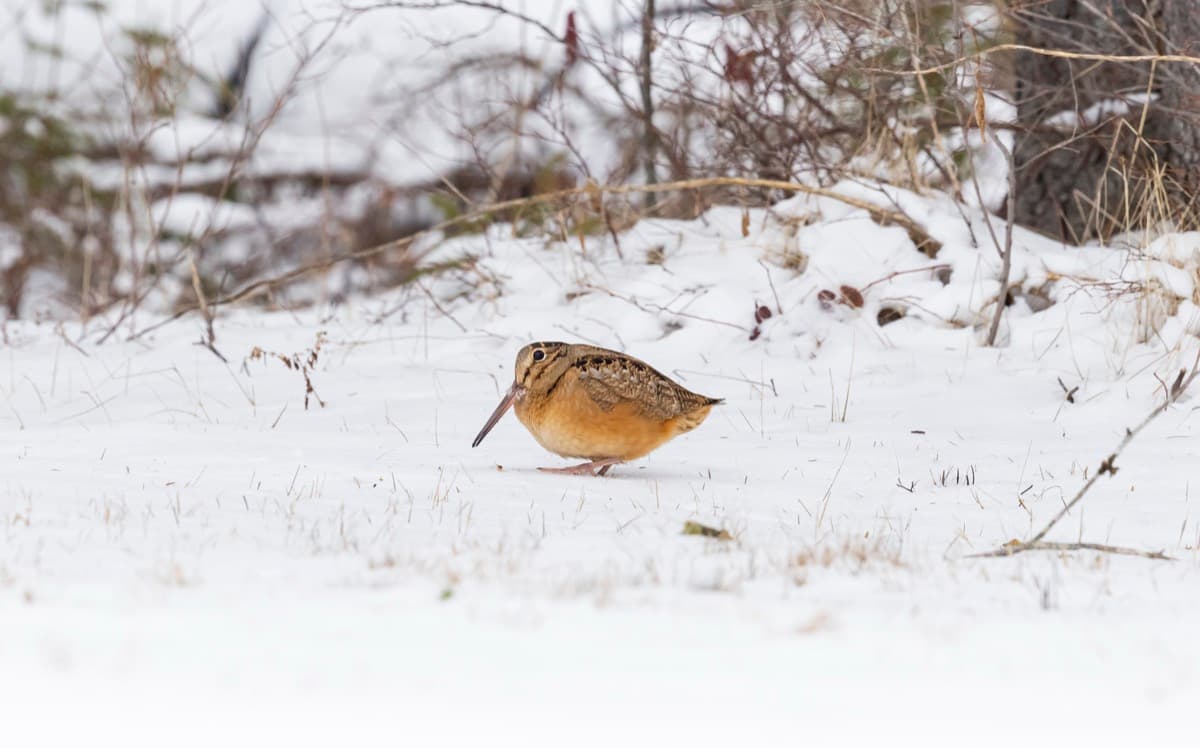
By now you've probably seen the video. A grapefruit-sized bird shuffling through Manhattan, bobbing like it's keeping time. More than 650 people showed up to watch. So: why does the woodcock dance?
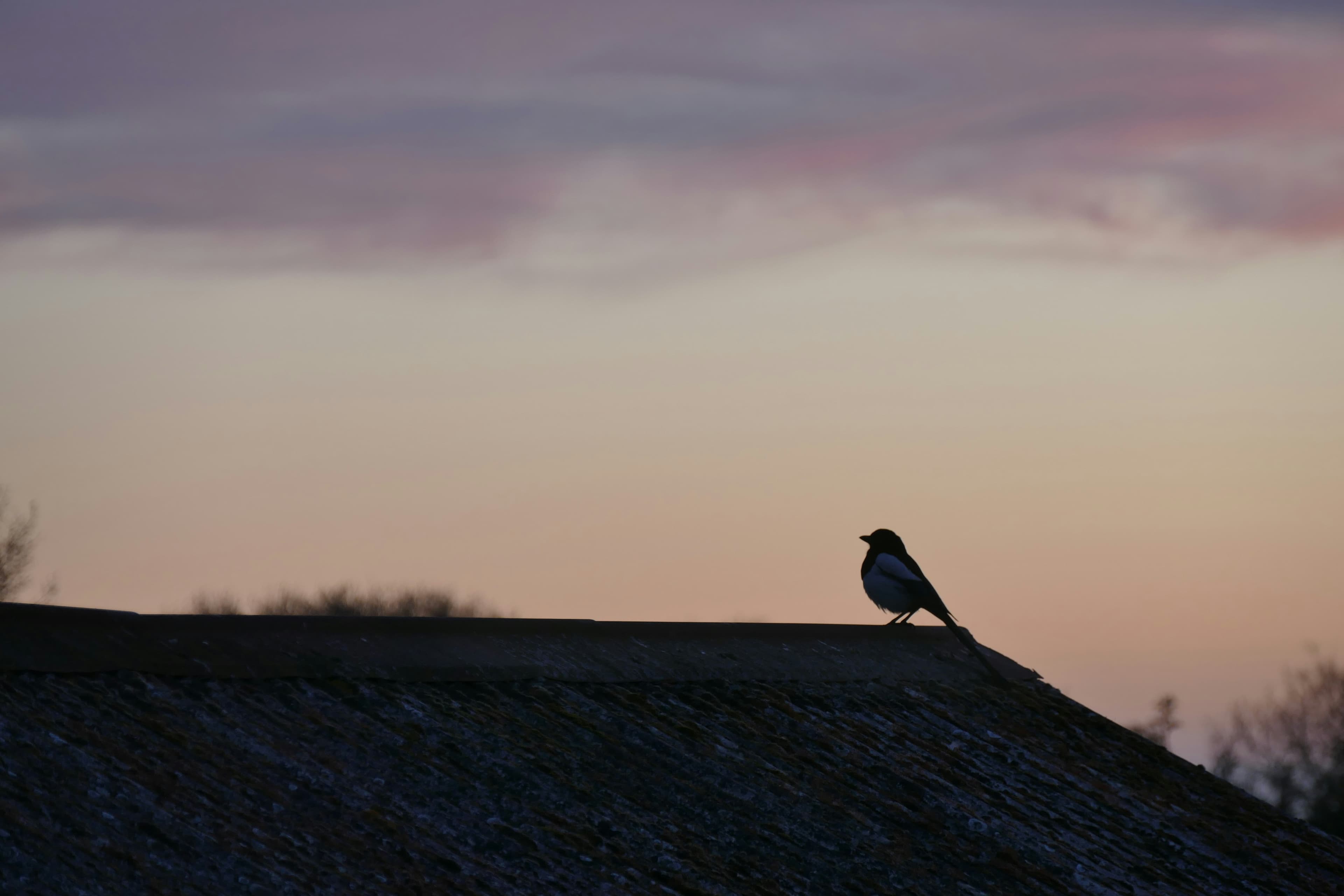
Every morning, as the first light touches the sky, birds like the American Robin and Northern Cardinal begin their symphony. But why do they choose dawn for their most vigorous singing?
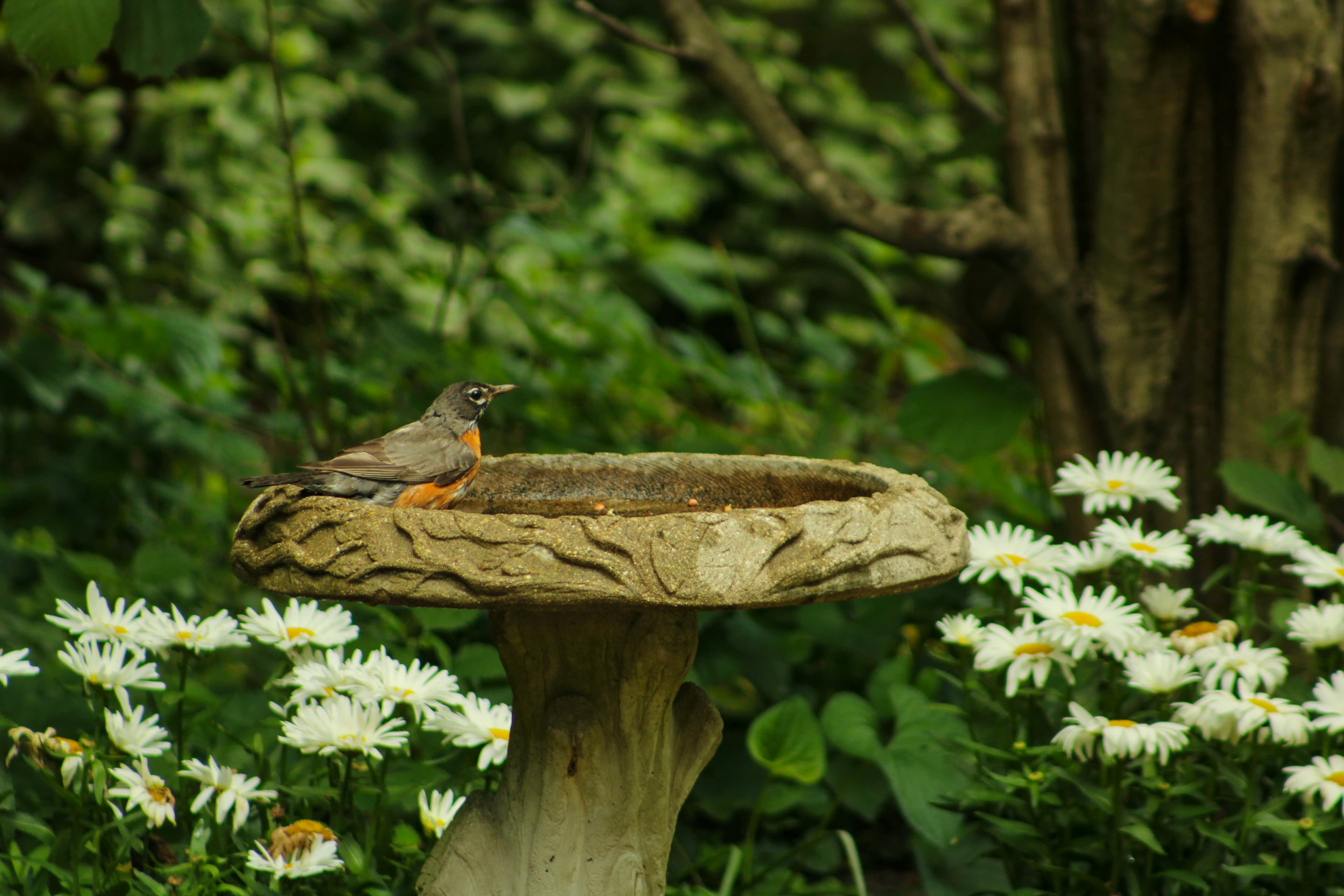
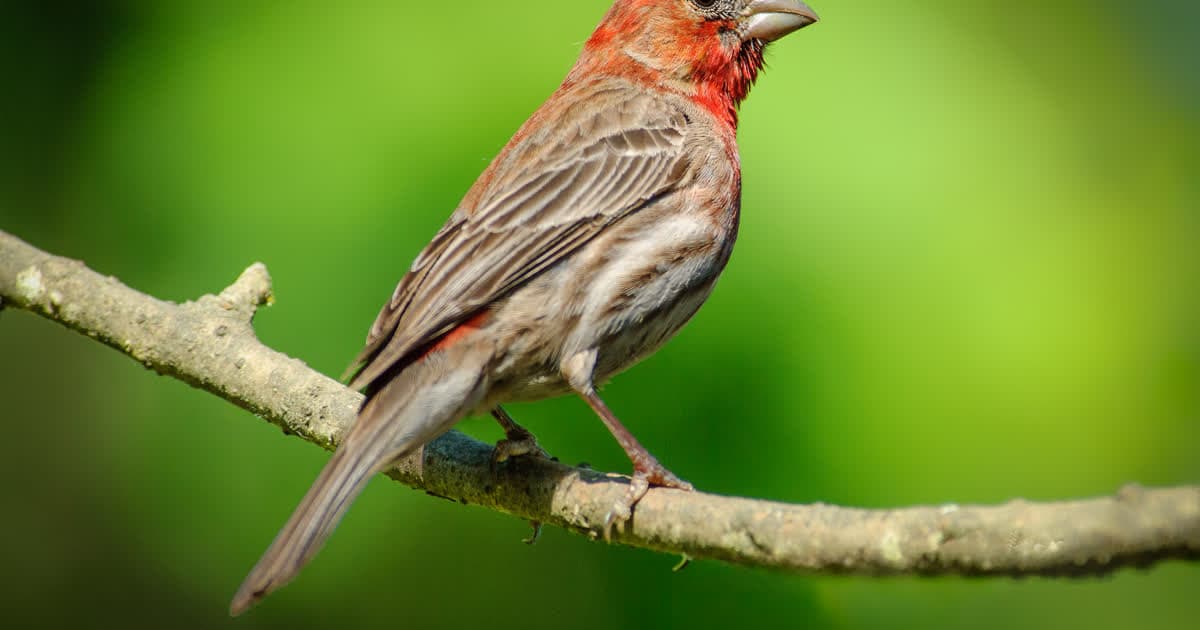
Transform your outdoor space into a bird paradise. Discover which native plants will bring Chickadees, House Finches, and more to your yard.
Download Wings & Whistles today and discover the hidden world of birds around you.