Sound Guide
6 Birds That Sound Like Squeaky Toys (Meet the Culprits)
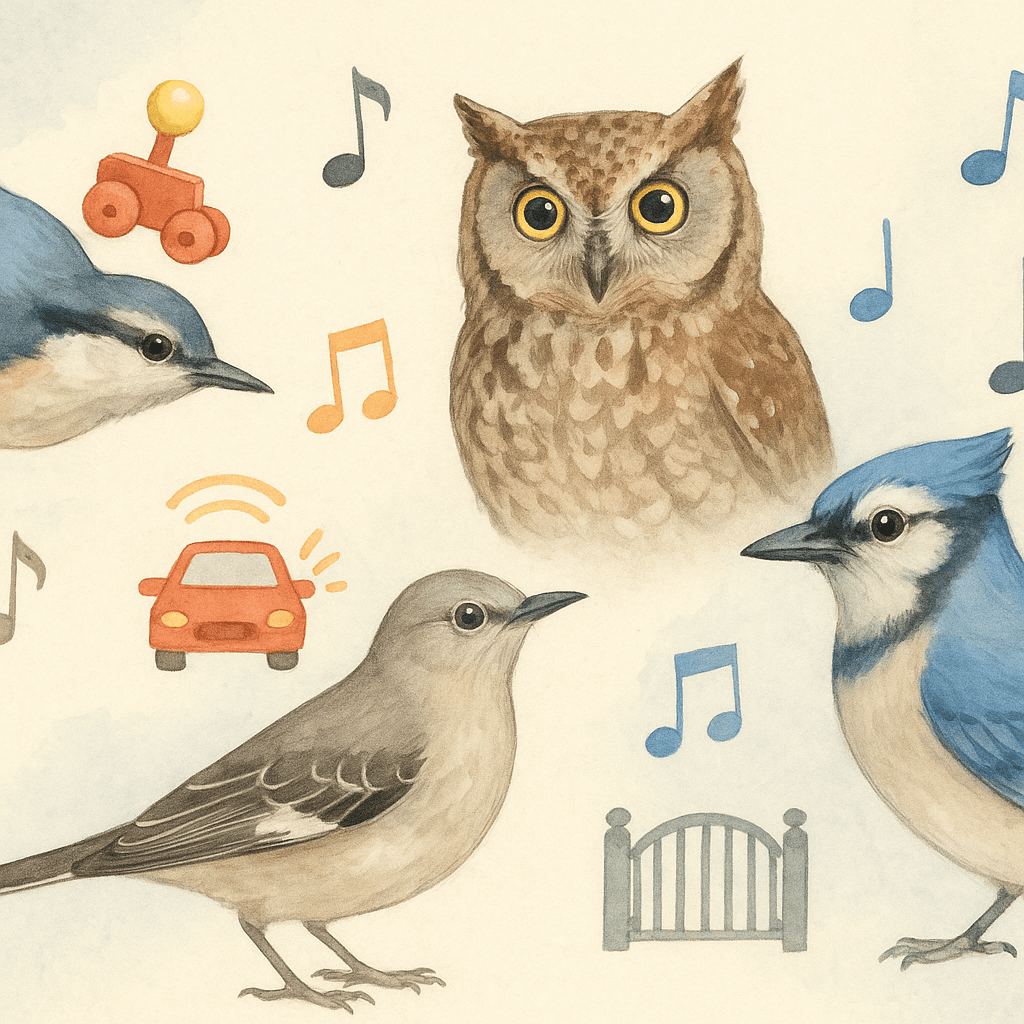
If you've ever typed "what bird sounds like a squeaky toy" in a mild state of panic, welcome to the club. Meet 6 birds whose calls sound like everyday objects.
Read Article →

That's the Pine Siskin's thin, wheezy squeak.
Hearing the creak right now? Record it in Wings & Whistles and compare suspects side by side. Get the app free →
A "squeaky door" bird is not one exact sound. It helps to ask what kind of squeak you heard.
People reach for two different words here, and the distinction is genuinely useful. A squeak is quick and high – a fast hinge. A creak is slower and lower, with that under-tension, groaning quality of a heavy door opening in a horror movie.
One more suspect before you blame a bird: the trees themselves. Two trunks or branches rubbing in wind produce long, eerie creaks that fool almost everyone at least once. If the creak only happens when the wind gusts – and stops dead in still air – walk toward it and look up before you start scanning for feathers.
For many people, Pine Siskin is the best answer to this question.
Its call is thin, wiry, and slightly wheezy. It often sounds like a tiny hinge or a small piece of metal under tension. The sound can feel sharp and rising, especially when birds are flying overhead or moving in a loose flock.
Pine Siskins are especially worth thinking about in late winter and spring, when they may show up around feeders, conifers, or moving flocks of finches.
Best clue: the sound is small, high, and dry rather than loud or showy.
How to rule it out: if the sound was much louder and harsher, it is probably not a Pine Siskin.
Rusty Blackbird is a less common everyday answer, but it is one of the strongest literal matches.
If the sound really does remind you of old rusty hinges, this bird belongs on the list. It is more likely in the right habitat and season, especially around wet woods, swampy edges, and migration stopovers.

Best clue: the sound fits the "rusty hinge" idea almost perfectly.
How to rule it out: if you were not near wet habitat, or if the bird sounded like a common backyard species, another bird may be more likely.
If the sound felt metallic, rough, and obvious, Common Grackle is a strong suspect.
This is not the sound of a tiny hidden hinge. It is bigger than that. Grackles often sound like old hardware dragged through the air. Their voices can feel harsh and industrial.
You are likely to hear them in open places like lawns, parking lots, fields, marsh edges, and suburban trees.

Best clue: the sound is loud, metallic, and hard to ignore.
How to rule it out: if the sound was faint, fine, or high in the treetops, it was probably not a grackle.
Blue Jay is one of the most useful birds to keep in mind because it makes so many different sounds.
Some Blue Jay calls are clean and ringing. Others are harsh, squeaky, or creaky. When people describe a bird as sounding like a squeaky gate or old porch hardware, Blue Jay is often in the mix.
Blue Jays are common in yards, parks, wooded suburbs, and forest edges, so they are a practical answer for many listeners.

Best clue: the sound has volume, attitude, and a little drama.
How to rule it out: if the sound was very small, thin, and delicate, it is less likely to be a Blue Jay.
Brown Creeper is the quietest and most delicate bird in this group.
Its call is thin, high, and dry. It does not have the big metallic feel of a grackle or the bold squeak of a jay. Instead, it sounds like a tiny woodland creak – the kind of sound you might only catch once if the woods are quiet.
Brown Creepers are easy to miss, both by sight and by sound. They often stay close to bark and blend into tree trunks.

Best clue: the sound is faint, dry, and tucked into the woods.
How to rule it out: if the sound was strong, harsh, or very noticeable, it was probably not a Brown Creeper.
Here is the fastest way to narrow it down:
That is exactly the kind of sound ID problem birders run into all the time. If you want help learning these kinds of mechanical, squeaky, and easy-to-misread calls, Wings & Whistles can help you compare sounds, build better listening instincts, and get more confident identifying birds by ear.
For most people in the Northeast, the best starting point is Pine Siskin, especially if the sound seemed small, sharp, and wiry.
If the sound was louder and more metallic, Common Grackle moves up quickly.
If it came from a yard or park and had a bigger, more obvious squeak, Blue Jay is a very good bet.
If it came from a tree trunk at close range, think Brown Creeper.
And if the whole thing felt richly rusty and came from the right wet habitat, Rusty Blackbird is the dark horse that fits almost too well.
Rusty Blackbird is the most literal answer, but Common Grackle can also sound like old metal hardware.
Very often, yes. Pine Siskin is one of the strongest matches for a small, rising, squeaky-door sound.
In quieter woods, Brown Creeper is a good place to start. In wetter habitat, Rusty Blackbird becomes more likely.
Yes. An app can help you compare similar calls and learn the textures behind them, like thin, metallic, or wheezy sounds. That can make it much easier to tell birds like Pine Siskin, grackle, and creeper apart by ear.
Open any bird for its recordings, what to listen for, and the birds it gets mistaken for.
Practice identifying squeaky, creaky, and mechanical bird calls with guided lessons in W&W




If you've ever typed "what bird sounds like a squeaky toy" in a mild state of panic, welcome to the club. Meet 6 birds whose calls sound like everyday objects.
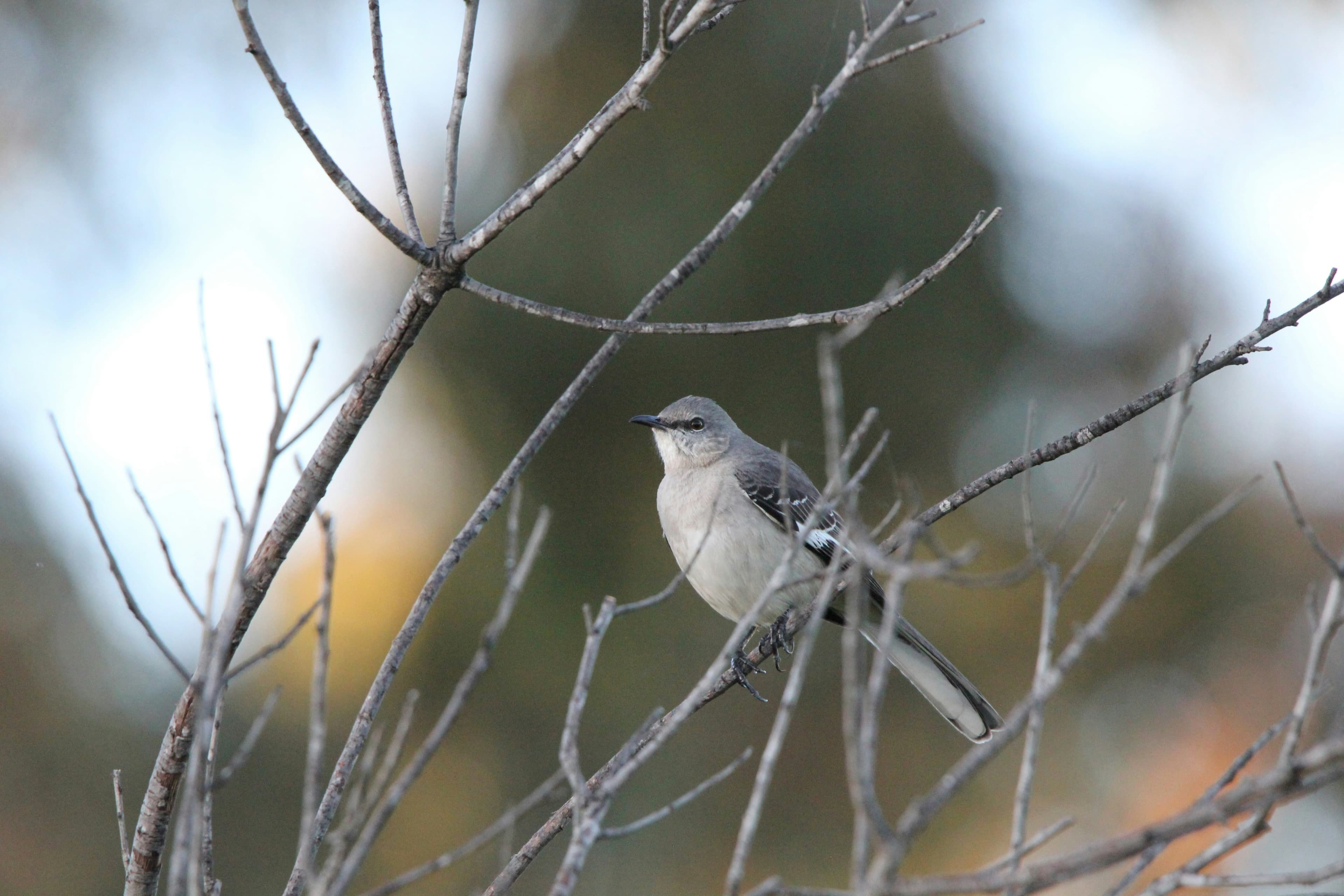
If you've ever walked outside convinced someone's car alarm was going off, only to realize it's coming from a tree, you're not alone.