Sound Guide
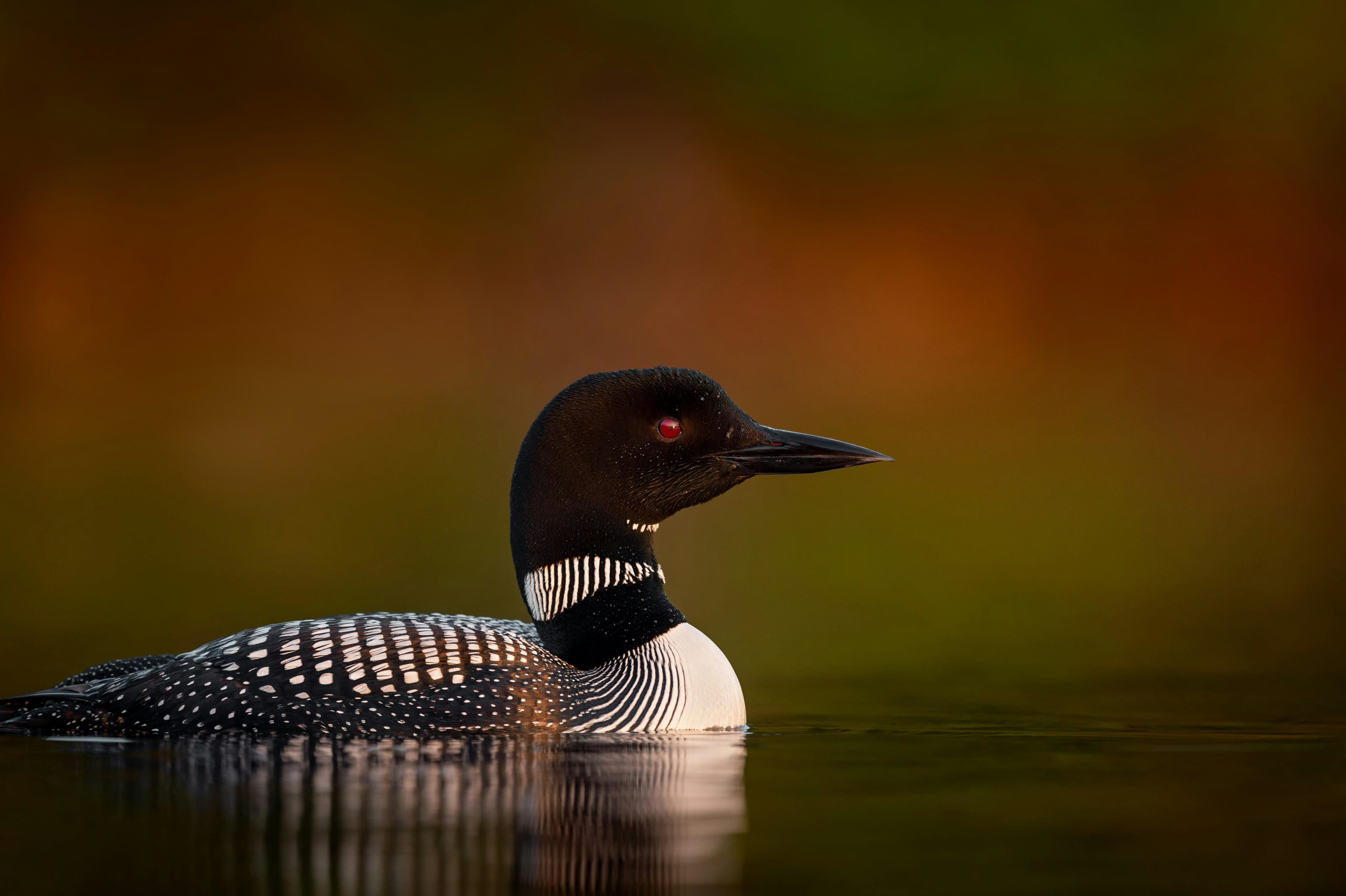
What Bird Sounds Like R2-D2?
From R2-D2's beeps to horror movie sound effects, meet 7 birds that sound eerily like pop culture icons.
Read Article →
February 13–16, 2026. Your ears are invited.
Birds do not always pose.
Birds do, however, broadcast.
This post is a fast "birding by ear" starter kit built around 10 birds you're likely to hear in many neighborhoods, parks, and edges. You'll get:
Play these three clips once each, in order:
That trio "tunes" your attention to three very different sound shapes. After that, everything else is easier to sort.
If you're participating officially, the basics are simple:
No perfection required. Curiosity wins.
You'll get the most out of the clips if you do this:
It's basically name tags for your brain.
This guide covers 10 birds, with 9 playable sound clips (songs and calls) you can practice before GBBC.
Headline birds. Big voices. High confidence. Easy momentum.
Tip: For each bird, try this once: hit play, then cover the name and see if you can label it in 2 words. That's the whole game.
Listen for: clear whistles that feel like someone confidently testing a flute. Often a few phrases in a row.
Field tip: if you hear it from deep in a shrub, that is extremely on brand.

Two-word label ideas: "bright whistles" · "clean phrases"
Listen for: the classic loud "jeer!" plus a rotating cast of whistles, gurgles, and general commotion.
Field tip: if the yard suddenly sounds like a committee meeting, a jay may be chairing it.

Two-word label ideas: "loud jeer" · "chaos whistle"
Listen for: soft coos in a simple, soothing sequence.
Field tip: this is the sound of "I live here too" coming from a wire, roofline, or tall branch.

Two-word label ideas: "coo loop" · "soft coos"
Listen for: a harsh "caw" with attitude. Sometimes it's one caw, sometimes a whole paragraph.
Field tip: crows are often the first to comment on anything unusual, including you.

Two-word label ideas: "sharp caw" · "raspy call"
Listen for: a sharp, bright "pik" note from a tree (and sometimes other calls too).
Field tip: if you hear a clean little "pik" near trunks or branches, check Downy early.
No clip on this one: our Downy recording is a nestful of begging young, which is a June sound, not the winter "pik" you are listening for this weekend.
Two-word label ideas: "tree pik" · "bright tick"
Without scrolling, can you name the "headline trio" from their vibes?
(If you got 2/3, you're already going to notice more outside.)
Daytime voices that make a yard feel alive: melody, chatter, and brushy little solos.
Listen for: a musical, rolling string of clear whistles, steady rhythm, often repeated.
Field tip: robins love being heard. If your morning soundtrack suddenly gets cheerful, look for a robin nearby.

Two-word label ideas: "rolling whistles" · "cheery song"
Listen for: fast, punchy, repeated phrases. Many people remember it as "teakettle" because it really does have that rhythm.
Field tip: this bird is small, but its voice is not. If you think "how is that sound coming from something the size of a lemon," welcome.

Two-word label ideas: "rapid phrases" · "tiny trumpet"
Listen for: the famous chickadee-dee-dee call (the "dee" count can change), plus other quick notes.
Field tip: chickadees are often the hub of mixed flocks, so learning this one can unlock several birds at once.

Two-word label ideas: "chicka-dee" · "quick chatter"
Listen for: a clear, fast repeated whistle often remembered as "peter-peter-peter."
Field tip: titmice are frequent feeder visitors and often travel with chickadees.

Two-word label ideas: "peter whistle" · "clean repeats"
Listen for: a song that often starts with a few clear notes, then finishes with a buzzy trill or buzz.
Field tip: if the sound seems to come from a shrub that's trying very hard to look innocent, check Song Sparrow.

Two-word label ideas: "notes then buzz" · "buzzy ending"
Right before you start your 15 minutes, play three clips:
Then step outside. You'll be surprised how quickly your brain goes from "noise" to "oh, that's a bird."
When you're outside counting, don't chase one sound at a time. Try layers:
You'll notice more birds and feel less like you're playing audio whack-a-mole.
Do the most helpful thing: keep going.
The goal is not to solve every mystery mid-count. The goal is to keep your attention outside.
These 10 birds match two Learning Journeys in the app. Do them once before GBBC, then revisit anytime you want your backyard to feel like a place you can understand, not just a place you pass through.


Happy counting, and happy listening.
February 13–16, 2026.
Count birds for 15 minutes or more at least once during the four-day event.
Learn a short list of common backyard birds by ear, then do a quick warm-up by replaying 2–3 clips right before you start counting.
Prep your ears before GBBC. Download Wings & Whistles Google Play
From R2-D2's beeps to horror movie sound effects, meet 7 birds that sound eerily like pop culture icons.
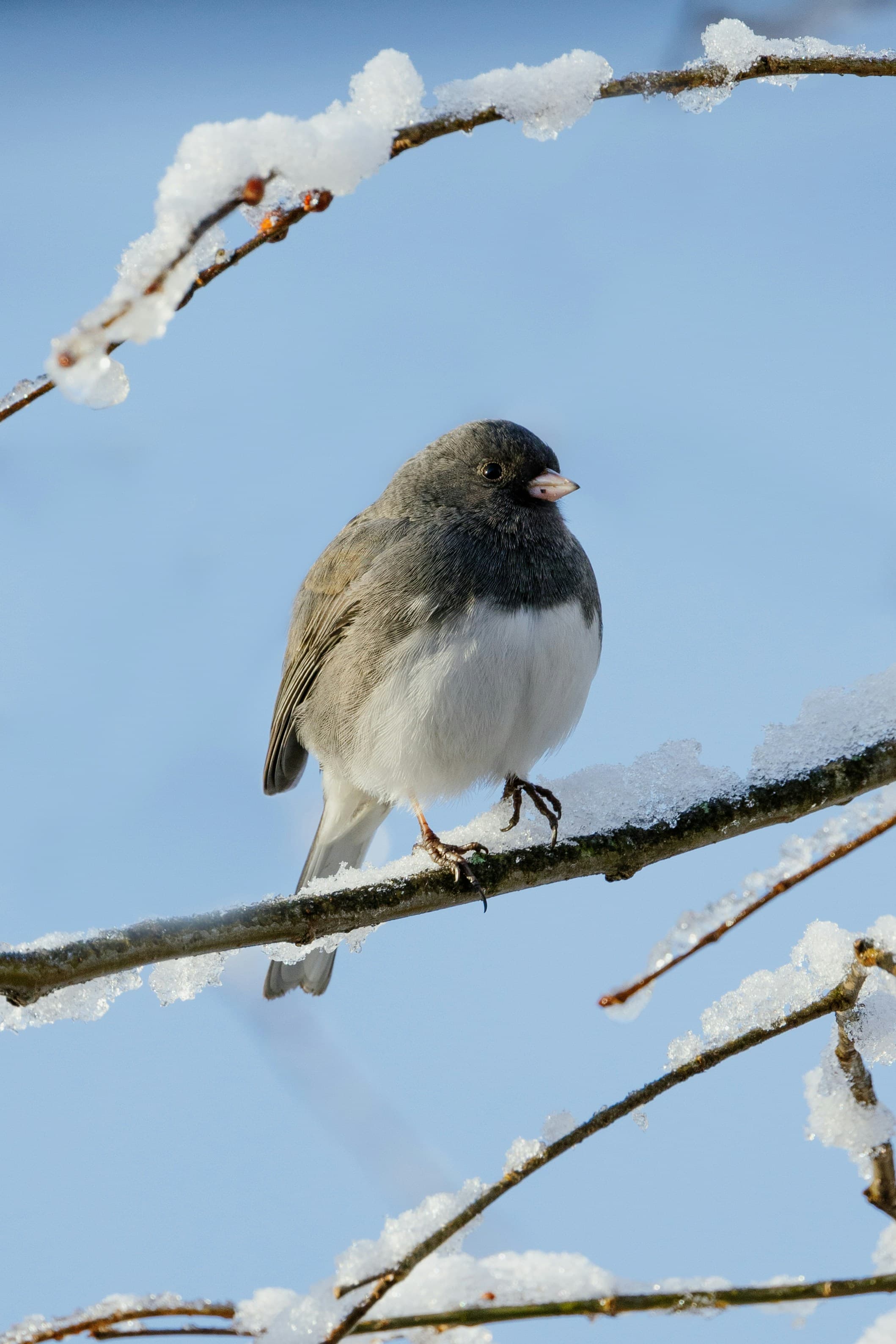
Winter is the best time to train your ear. Learn 5 bird sounds you'll hear this season.