Sound Guide
How to Identify Bird Sounds (By Ear & With Apps)
You can tell a bug from a bird. Here is the next step: a simple, repeatable way to name the bird itself, by ear and with a phone.
Read Article →
From late summer well into fall, the confusion runs both directions. The dog-day cicadas taper off after their August peak, but katydids and crickets only get louder as the nights cool, sawing away until the first hard frost, so a big share of the soundscape is now insect. Half of it gets blamed on birds, and a fair chunk of the actual birdsong gets waved off as "just a cricket." The good news: you do not need to lay eyes on the source to settle it. A handful of ear-cues will do the job, and once you own them, the next mystery buzz is a two-second call, not a shrug.
Back to the hedge. The trill you are hearing might be a Chipping Sparrow up on a wire, or it might be a cricket down in the grass, and from ten feet away with nothing in view, they really can trade places in your head. That is not a failure of your ears. It is a genuine overlap: both sounds are dry, fast, repetitive, and pitched in the same buzzy band.
So we stop trying to guess from "how buzzy is it" and start asking better questions. Separating insect sounds from bird sounds is not an eyesight problem, it is a listening one: the whole rest of this piece is a small toolkit of cues, and none of them require you to see the singer. You listen for the texture, the shape, and above all the way the sound behaves when the afternoon heats up. Run them in order and the fog clears fast.
Here is the trap. A cricket and a Chipping Sparrow both produce a long, even string of identical dry notes run together into a trill. Strip away everything else and your brain has nothing to grab: same speed, same dryness, same single pitch. "Buzziness" alone cannot separate them, which is exactly why a dry buzz never settles the question by itself.
But there are three things your ear can use, and they carry the whole lesson. The first is timbre, the quality of the tone. A warm, ringing, musical sound is a bird. The second is structure, the packaging. Birds tend to trill in discrete bouts with clean starts and stops; many insects run on and on. The third is pitch shape, the contour. A sound that rises, dips, or bends over its length leans bird; a dead-steady single pitch keeps an insect in play.
Two context cues sit on top of those. Time and place: a steady rasp after dark, low in the grass or the shrubbery, is almost always an insect. And the single most reliable tie-breaker of all: temperature. Insects are cold-blooded, so their trills speed up in the heat and slow down as it cools, tracking the thermometer through the afternoon. A bird could not care less how warm it is; it keeps its own tempo. Hold that one in your back pocket, because it wins the arguments the other cues cannot. This is the lens for everything below: learning to identify birds by their sounds is mostly learning to hear these differences on purpose.
Before we meet the birds, meet the things you are ruling out. There is no audio player in this section on purpose. Wings & Whistles teaches the bird side, and these three insect voices are yours to carry in your head. Learn what each one does and half your mystery buzzes are solved before a bird is ever on the table.
The annual cicada (the "dog-day" cicada) owns the hot afternoon. Its sound is a loud, buzzy, whining drone that swells up to a peak and then fades away, like a power saw revving or a far-off siren winding down, and a single run can go ten, fifteen, twenty seconds unbroken. That amplitude arc is the giveaway: one long note that crescendos and decrescendos, no phrase, no discrete notes, coming from high in the tree canopy in the heat of the day. No bird sustains one note like that.
The katydid works the night shift. Its sound is a raspy, scratchy, mechanical two-or-three-pulse phrase repeated endlessly, the classic ka-ty-DID, ka-ty-DIDN'T. The timbre is pure sandpaper, no musical warmth anywhere in it, and it comes mostly at dusk and after dark from trees and tall shrubs. Listen on a cooling night and you can actually hear the tempo drag as the temperature drops, which is a tell no bird will ever hand you.
Crickets come in two flavors. A field cricket gives an evenly spaced, metronomic chirp… chirp… chirp. A ground cricket or tree cricket gives a higher, thinner, continuous trill, and the tree cricket in particular is surprisingly pure and sweet, which is why it gets mistaken for a bird or a frog more than any other insect. The tell is the same for all of them: relentless, machine-even spacing from the ground or low vegetation, carrying on well into the night, and a chirp rate that tracks the temperature. Even when the tone is sweet, a tree cricket is dead-steady on one pitch and simply does not stop. No bouts, no phrase, no pitch change, forever.
Now the birds. These four are the buzzy trillers most likely to get called a bug, and each one teaches a different cue, so you are learning a rule you can transfer, not four facts to memorize. One honest note up front: the Chipping Sparrow is the one most of the lower US actually hears through the warm months. The other three breed up in the mountains or the northern woods, so treat these as trills to train on, not a promise of what is in your backyard tonight.
Start with the flagship. The Chipping Sparrow sings one long, dry, mechanical trill on a single pitch, so flat and even that field guides literally call it cicada-like and half of America hears a cricket. It is the safe example, too: a common summer breeder across nearly the whole country, heard from yards, parks, and conifers wherever you live. Press play, and then listen for the thing that gives it away.

The tell is structure. The sparrow trills for two or three seconds, stops clean, then trills again, and it does it from an elevated perch, a tree crown, a wire, a rooftop. A cricket or ground insect runs on and on with no clean start and stop, usually from low in the grass. Same dry buzz, different packaging: the bird punctuates, the bug drones. When a trill breaks into tidy bouts from up high, you are hearing a bird even if the texture screams insect.
Next, the contrast. The Dark-eyed Junco sings a trill that is superficially the same shape as the sparrow's, but slower and, crucially, bright and musical, a ringing, silvery, bell-like trill. This is the bird you keep in your kit as the timbre lesson, because it gives itself away by ringing. That chime is the whole point: a warm, musical, bell-like tone is a bird, full stop. An insect trill has no bell in it. In the breeding season you will meet this one on high ground, up in the Appalachians, the Rockies, the Sierra, or the northern boreal forest, though it is the trill most of the US hears once it drops to the lowlands in winter.

Note the direction. The junco proves only the positive half: a ring or chime always means bird. The reverse does not hold, since the Chipping Sparrow you just heard is a bell-less buzz and a bird all the same. So when a trill comes with no ring, you move to the next cue rather than calling it a bug.
Then the buzziest voice in the lineup. The Pine Siskin drops a buzzy, rising zreee into a jumble of wheezy finch chittering, and that zreee is about as genuinely electric as a bird gets, a buzzy call woven right through the song. Two things unmask it. First, the buzz slides up in pitch, where an insect buzz holds one pitch (it may swell in loudness, but it does not up-slur). Second, context: the siskin buries that note in a stream of chatter and twitters, often from a flock in the conifers or at a feeder, while an insect just repeats one note in isolation. It is an irruptive, nomadic finch, so in the breeding season it is mostly a northern and western mountain bird, not a lowland-backyard regular.

Last, the phrase. The Black-throated Green Warbler sings a dreamy, buzzy zee-zee-zee-zoo-zee, often written "trees, trees, murmuring trees," with an unmistakable buzz on the notes. Even where the buzz reads insect-like, this is a patterned five-note phrase with a clear pitch drop near the end, on that lower zoo, which is the second-to-last note, and the whole thing has a lazy, lisping rise and fall. A katydid or cicada has no phrase; it repeats one flat rasp or drones. A little melodic sentence over a handful of notes is a bird. It is a northern and montane conifer breeder, a persistent summer singer up where the spruce and hemlock grow, so again, train on it now, meet it on a mountain later.

Four birds, four tells: bouts from a perch, a ringing bell, a rising buzz in a chatter, a patterned phrase. Notice that not one of them is "it buzzed, so it is a bug." Every one of these is a buzzy bird. The cues are how you catch them anyway. Worth a mention in the same family, though we have no clip to play here: the Grasshopper Sparrow (named for exactly this reason), the Pine Warbler's musical trill, and the Worm-eating Warbler's dry rattle all live in the same insect-adjacent zone if you want more to chase.
Here is the whole method as a decision tree. Run it top to bottom on the next mystery buzz, and stop as soon as one question gives you a clean answer. This is the part worth a screenshot.
Four questions, and most buzzes fall out at the first or second. The temperature question is the closer you save for the ones that will not surrender to anything else.
In the field the whole thing becomes a quick loop. A buzz stumps you, you run the four questions, you say your verdict out loud, and then you confirm. Speaking the call is not optional flourish; naming it while the sound is still in the air is what welds the cue to the memory, and once a trill turns out to be a bird, it helps to pin a phrase to the song so it sticks. Do it a dozen times over a summer and the bird-or-bug line stops being a puzzle and becomes a reflex.
Telling one buzzy trill from another is the core skill of birding by ear, the same discrimination you use to pull a warbler out of a dawn chorus. If you want to build it from the ground up, our gentle two-week method for learning bird songs by ear is the on-ramp, and the seven-day plan for learning bird calls fast runs the same loop on a tighter schedule.
One honest limit. Wings & Whistles trains the bird side. The cicada, katydid, and cricket cues are yours to carry, but the app is where you drill the buzzy trills, the Chipping Sparrow and the junco and the siskin, until a cricket and a Chipping Sparrow never trade places in your head again. Learn the birds cold, and the bugs sort themselves out by elimination. And if a buzz ever turns out stranger than anything here, our tour of other weird, mechanical bird sounds picks up where this leaves off.
Run three cues. Timbre: a musical or ringing sound is a bird, while a dry, flat, electric buzz is inconclusive on its own, since plenty of birds buzz too. Structure: bird trills tend to come in short bursts with clean stops, while insects drone on or pulse without pause. Tempo: if the pace speeds up in the afternoon heat and slows as it cools, it's a cold-blooded insect, because a bird keeps its own tempo no matter the temperature.
On a hot afternoon, a loud buzz that swells up to a peak and fades away, running ten seconds or more from high in a tree, is almost certainly an annual cicada. A bird trill comes in short two-to-three-second bursts with clean stops, usually from a visible perch. The long, unbroken swell-and-fade is the cicada signature.
The Chipping Sparrow is the classic culprit: its song is one long, dry, mechanical trill on a single pitch that many people hear as a cricket or an insect. The Dark-eyed Junco gives a similar but more musical, bell-like trill that rings where a bug buzzes, and the Pine Siskin adds a buzzy, rising zreee that sounds genuinely electric.
After dark in summer, a steady rasp or trill is almost always an insect. Katydids give a scratchy, repeated ka-ty-did from the trees, and crickets give an even chirp or a continuous trill from the grass. If the sound is a hoot, a whistle, or a screech instead of a dry buzz, then it's a bird, most likely an owl or a nightjar.
Because its song is a rapid string of identical dry notes run together into one even trill on a single pitch, with no melody and no rise or fall. That's the same texture an insect makes. The tell that it's a bird is that the sparrow trills in short bursts from an elevated perch and then stops clean, while an insect drones on from low in the grass.
A cricket chirp is metronomically even, comes from the ground or low plants, continues into the night, and speeds up or slows down with the temperature. A bird trill is usually warmer or more musical, comes in short bouts with clean stops from a perch, often changes pitch, and keeps a steady tempo regardless of how hot it is.
Bird sound apps like Wings & Whistles are built to identify and train you on birds, not insects, so the fastest path is to learn the difference by ear first. Use the cues to rule an insect in or out, and when it's a bird, use the app to pin down which one and to drill the buzzy trills until the bird-versus-bug line becomes automatic.
Open any bird for its recordings, what to listen for, and the birds it gets mistaken for.
Train your ear until a cricket and a Chipping Sparrow never trade places again. Download Wings & Whistles Google Play
You can tell a bug from a bird. Here is the next step: a simple, repeatable way to name the bird itself, by ear and with a phone.
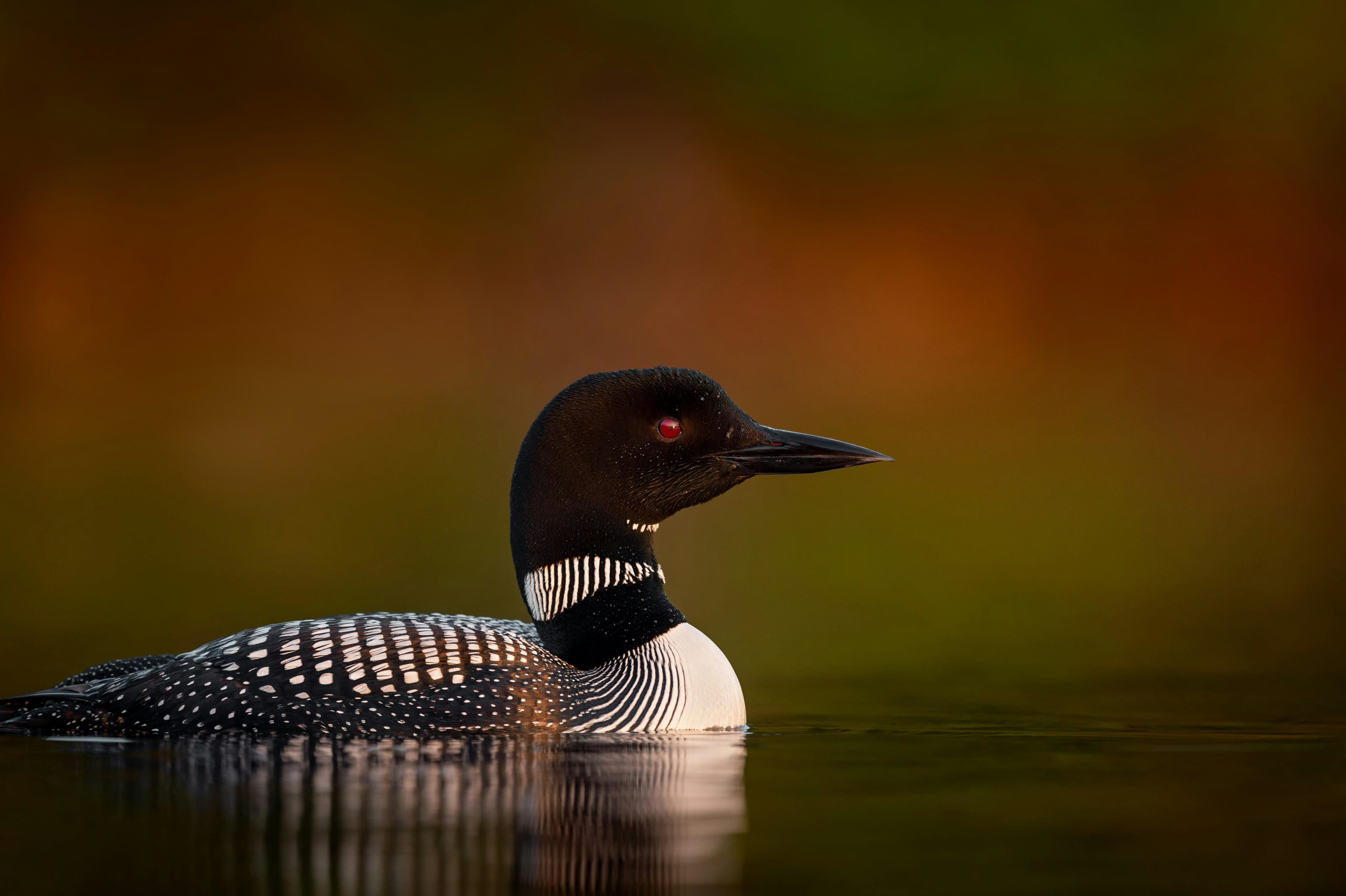
If the buzz turned out to be a bird and a strange one, meet eleven of the oddest voices in North America, each with real audio.